Advanced Trauma Intervention and Processing for Clinicians

Building Clinical Capacity for Trauma-Intervention in Emergency and Crisis Situations

This five-day, advanced online training is designed specifically for therapists, counsellors, and clinical professionals who would like to provide trauma-specialized therapy using a step-by-step protocol. It is funded through a provincial grant specifically designed to build community and systemic capacity for emergency and crisis response across Ontario and is offered at no cost for eligible participants. Therapists should be in a role that allows 1 hour sessions with individual clients. This course delivers a comprehensive, clinically focused exploration and application of understanding the neurobiology of trauma and trauma-Informed emergency and disaster response and trauma processing and intervention using the Integrative Trauma and Attachment Treatment Model (ITATM)™. Participants must be able to attend the training in full in order to attend.

The training is grounded in the latest research and is structured to address the real-world complexities clinicians face when supporting individuals and communities in the aftermath of crisis, disaster, or acute trauma. Trauma processing using ITATM™ can be used in a single session, brief, or ongoing format
Clinical Training Purpose

  • Equip clinicians with advanced, evidence-based tools and a step-by-step protocol to support trauma survivors with precision and confidence.
  • Gain a nuanced understanding of trauma’s impact on the nervous system, memory, and behaviour, and learn to apply integrative, neurosequential interventions that
    foster safety, regulation, and long-term healing.
  • Develop specialized skills for working with various forms of trauma, dissociation, tonic immobility, and the unique challenges of crisis response and post-incident care.

Who Should Attend

This session is intended for therapists, counsellors, and clinical staff working in non-profit community based and government funded mental health and addictions organizations. Unfortunately we are not able to offer registration to therapists working in private practice. It is ideal for those providing emergency and crisis intervention support, post-incident support, or those who wish to provide this support and those providing ongoing therapy to individuals impacted by trauma, and who wish to enhance their clinical toolkit with an advanced, trauma-specialized processing model.

Eligibility & Attendance Policy

  • Private Practice Policy: Due to the initiative’s mandate to strengthen public sector emergency readiness, high demand, and limited seating, we are unable to offer registration to therapists working exclusively in private practice at this time. We appreciate your understanding as we prioritize the development of a deployable, agency-based psychosocial workforce.
  • Clinical Role: Participants must be in a professional role that allows for 1-hour 1:1 clinical sessions with clients.
  • Full Participation: This is a professional-level certification. Full attendance for all 5 days is mandatory.If you cannot commit to the full duration, please allow the space for another applicant.

What You’ll Learn

In this 5-day session, participants will:

  • Learn how to use and apply the Integrative Trauma and Attachment Treatment Model (ITATM)™ protocol, a step-by-step protocol for processing trauma in a safe, structured, and neurosequential way.
  • Learn how to adapt the ITATM protocol in response to emergencies, disasters, and extreme states of stress to effectively process trauma and acute crises. This approach can also be used to provide post-incident care, including brief therapy and ongoing treatment.
  • Learn to assess and address dissociation, tonic immobility, and shutdown responses.
  • Learn the various layers of the ITATM protocol, which integrates somatic therapy, sensory approaches, and neurobiological techniques specific to how the brain is impacted by trauma. Participants will be introduced to bilateral stimulation, sensory and somatic modulation, and reframing to support nervous system regulation and
    consolidation of the trauma memory.
  • Develop strategies for trauma-informed interviewing and supporting clients through acute stress reactions.
  • Build clinical confidence in managing challenging trauma responses and supporting resilience in clients and communities.

Additional sections specifically focused on Indigenous needs and French language workers.

About ITATM™

Developed by Lori Gill, the Integrative Trauma and Attachment Treatment Model (ITATM)™ is a neurosequential, evidence-based approach that combines evidence based techniques such as drawing, somatic therapy, visualization, resource installation cognitive behavioural techniques, and bilateral stimulation in an efficient step-by-step protocol.

ITATM™ allows clinicians to address trauma without requiring clients to recount distressing memories, supporting regulation and healing at every stage of recovery. The model is adaptable for use in single incident, acute crisis, post-incident, and ongoing therapeutic contexts, and is recognized for its effectiveness in reducing symptoms of suicidality, self-harm, addiction, anxiety, and depression.

Course Structure

This five-day training is delivered live online, blending didactic instruction, interactive discussion, clinical demonstrations, case examples, and small group personal practice using the model. Participants will learn about real-world case examples, see live or prerecorded demos of the ITATM protocol applied, and will have multiple opportunities to practice using the ITATM protocol as client and therapist, designed to translate theory into practice. Ongoing consultation support is available following the training. This training is funded through the Government of Ontario and is provided at no cost to participants. Full participation is required to attend.

Personal Practice Sessions:

A note about personal practice sessions: Therapists in applied practice training for professional models like EMDR, ITATM, or DBR can expect a multi-faceted learning experience that includes lectures, demonstrations, and supervised practice sessions with fellow participants and clients. As with most professional level trainings application of the model (personal practice sessions) is an important component. As such in participating in the ITATM training participants should anticipate engaging with personal experiences and though you remain in control of what you disclose and work on as a target the risks are emotional activation may be experienced, the benefits are that people often experience reductions of this charge and a sense of resolution or reduced activation that carries forward in relation to what was processed. Training in ITATM will provide opportunities to develop skills in applying the ITATM protocol, navigating blocks, and building confidence in the model’s application. This is an experiential training with personal practice sessions and you will be practicing the model as both client and therapist (multiple times) to learn the processing protocol, using real experiences. Most participants reflect on this as being highly enriching and therapeutically impactful for them.

What Others Are Saying:

“As a trauma therapist, I can confirm that this therapeutic approach was nothing like anything I have done before. It promotes deep trauma healing and releasing based on subconscious and embodied therapeutic work. The Integrative Trauma and Attachment Treatment Model (ITATM) is quite comprehensive and holistic in nature focusing on mind-body neuroscience and somatic approaches.”

“I just want to take this opportunity to let you know how much I utilize ITATM when working with clients. I really appreciate the simple ways you taught us how to describe the nervous system, and messages we want our brain to hear. I use these methods all the time and think of you fondly. ”

“I highly recommend the ITATM training. This certification is for anyone working with children, youth, and adults who have experienced trauma. Lori Gill is extremely skilled and knowledgeable in the area of trauma and attachment. I come away from each workshop and supervision with continued insight that informs my professional practice. ”

Meet Your Trainers:

ATTCH Niagara’s ITATM™ training team brings diverse clinical expertise and a shared commitment to trauma-informed practice and community capacity-building. All trainers have completed the ITATM™ Train-the-Trainer program and are dedicated to advancing trauma recovery and resilience across Ontario.

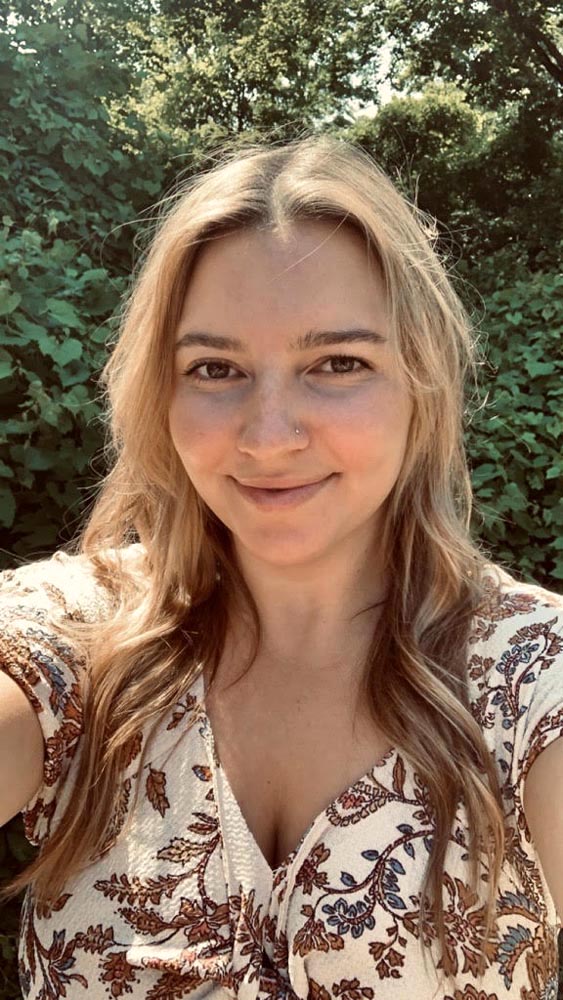
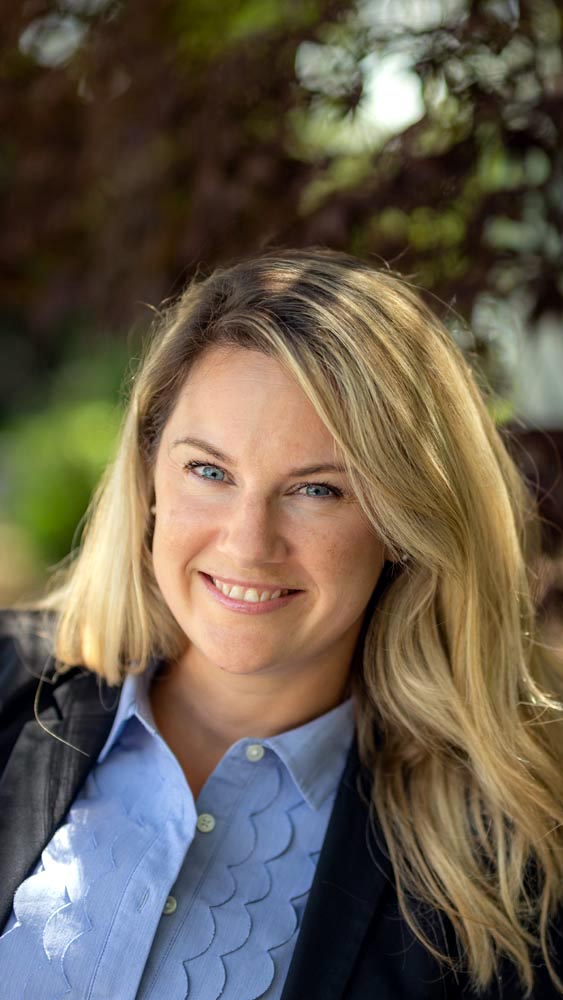
Brooke Caruk, RP

Registered Psychotherapist

Brooke is committed to guiding individuals on their journey to healing and recovery. She completed her graduate placement with ATTCH Niagara, and now works as a therapist. Brooke embraces a client-centered, integrative approach and is driven by the belief that healing is a deeply personal journey. As an ITATM™ trainer, Brooke is passionate about empowering clinicians to foster resilience and facilitate transformative healing using evidence-based trauma interventions.

Leigh Staats, MSW, RSW

Indigenous Trauma Therapist

Leigh identifies as Indigenous from the Six Nations community and settler ancestry and holds a Master of Social Work with a specialty in Indigenous Trauma and Resiliency. Leigh has extensive experience providing mental health and addiction services to Indigenous adults in both urban and rural settings. Leigh has used the ITATM™ model for many years and has witnessed its effectiveness in supporting meaningful healing for individuals, families, and communities. As an ITATM™ trainer, Leigh is dedicated to strengthening trauma-informed capacity and ensuring healing practices are accessible and sustainable.

Naomi King, MSW, RSW

Registered Social Worker

Naomi specializes in trauma-informed care for children, youth, and families, holding a Master’s Degree in Social Work from the University of Windsor. With eight years of counselling experience, Naomi has advanced training in supporting individuals affected by sexual abuse and exploitation, as well as those experiencing disordered eating, anxiety, grief, and loss. Naomi’s approach is grounded in attachment theory and developmental trauma. As an ITATM™ trainer, Naomi is committed to equipping clinicians with the tools needed for effective trauma intervention and community mental health support.

Amanda Bonin, MC Candidate

Trauma Counsellor

Amanda is certified in ITATM™ processing and is completing a Master of Counselling degree. She has been with ATTCH Niagara since February 2023, supporting clients with a trauma-informed approach. Amanda became an ITATM™ trainer to deepen her understanding of the model and expand trauma-informed capacity beyond individual client work. She values the opportunity to deliver ITATM™ training in French, making it more inclusive. Amanda is dedicated to building awareness and equipping mental health workers to better support clients with trauma histories.

Note: Lori Gill, MACP, RP, CTS, CTIC, Founder and Clinical Director of ATTCH, may also facilitate trainings as needed.