
Trauma Resources for Parents and Adults
Information to help manage, understand, and heal from trauma
Trauma: What it is, what it looks like, and how to help:
Trauma can occur as a result of experiencing, witnessing, or secondary to another person’s trauma experience. These experiences can be the result of many things, (abuse, loss, exposure to domestic violence, separation and divorce) and are experienced differently by each child.
Common symptoms of trauma may include:
- Difficulty concentrating or remembering information.
- Intense reactions.
- Unusual clinginess, need to be with parent or caregiver.
- Changes in mood (anxious or agitated, excessive fearfulness or lack of fear, withdrawn).
- Refusal to talk about what happened or inability to stop talking about what happened.
- Difficulty sleeping, fearful of sleeping alone or being left alone even for short periods of time.
- Easily startled (terrorized) by sounds, sights, and smells similar to those that existed at the time of the event.
- Hypervigilance watching out for and anticipating that they are about to be or are in danger.
- Regressive behaviours atypical for child (sleeping with parents, bed wetting, nail biting, thumb sucking).
- Headaches, stomach problems, fatigue, and other ailments not previously present.
Articles on Trauma and Loss
Helping Children in Trauma
- Compassion and Safety – Tauma is like no other experience and may evoke behaviours and feelings uncharacteristic to your child. This is not unusual or intentional; your child is doing the best he/she can to survive and needs a sense of safety more than anything.
- Affection and Protection – Provide them lots of love, affection, and connection. Feeling alone is common to children who have experienced trauma. Take extra care to soothe them through sensory activities that are calming and by providing connection and affirmation.
- Empowering and Normalizing – This can be confusing and overwhelming for them also. Listen, without a need to understand, allow an opportunity for them to share what their experience was like for them and normalize their reactions. This provides a sense of empowerment and security.
- Supportive and Structured Care – Structure and predictability will help provide a sense of safety. Understand that behaviour may be intense at times. In this time, limit consequences, instead stop, listen, and talk about it – providing teachable moments in a controlled and calm manner.
Videos for Parents with Kids in Trauma
Tips and Techniques for Emotional Regulation
A brief video prepared by ATTCH Niagara Founder Lori Gill
How Attachment Impacts Brain Development & Strategies to Strengthen Connection & Emotional Awareness
This video provides a brief introduction to how attachment, parenting, and life experiences shape the developing brain. Strategies for promoting connection, emotional regulation and attunement are also included.
Liana Lowenstein Shares an Attachment Enhancing Technique for Parents and Their Children
Liana Lowenstein joins ATTCH Niagara Founder Lori Gill to share an attachment enhancing technique for parents to use with children and teens.
Suggested Readings for Parents
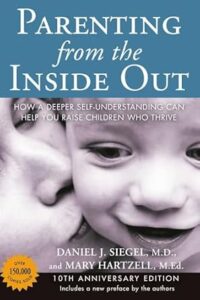
Parenting from the Inside Out – a book on attachment and healthy relationships with our children by Daniel Siegel and Mary Hartzell. We enjoyed hearing him speak at one of our past Trauma and Attachment Conferences.

Hold on to Your Kids – a book on attachment and conscious parenting, Gabor Mate and Gordon Neufeld
 Scattered Minds – a book on attention deficit hyperactivity disorder and parenting, Gabor Mate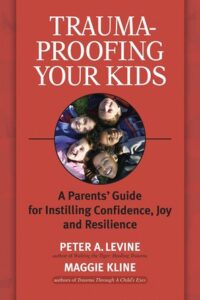
Trauma Proofing your Kids: A Parents’ Guide for Instilling Confidence, Joy, and Resilience, by Peter Levine and Maggie Kline

Dougy Centre – various books and resources on grieving and bereavement.
Books for Kids
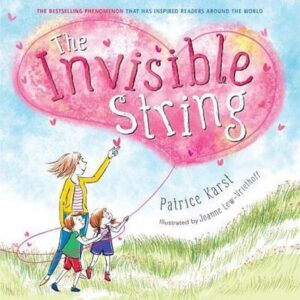
The Invisible String – a beautiful book about love and connectivity for children.
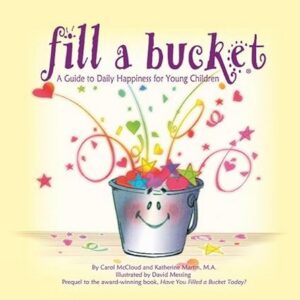 Fill a Bucket – provides the concept of love and hurt, emphasizing the ways we can help others to fill their “love buckets” as well as how we can have our “love bucket” filled by others.

The Hurt – a book describing the concept of hurt, how it grows when we hold it, and how to let it go.
Additional Articles and Readings for Parents
Liana Lowenstein has various articles for parents on effective parenting strategies and on providing support for children who have experienced trauma, grief, and divorce.
Gabor Mate has some excellent resources on attachment and promoting resiliency. Please find a link to a brief video clip on you tube: Attachment and Conscious Parenting. He also has a fantastic book I highly recommend: Hold on to Your Kids.
Please see a handout our founder, Lori Gill, prepared with common parenting coaching tips
Research supports that discipline is most effective when directly linked to the behaviour and when implemented in a timely manner (as soon after the event as possible). I have included a link to a handout summarizing the difference between punishment and natural / logical consequences.
Children are born primed for attachment and connection with their caregiver. I have included a basic introduction to the attachment process as well as tips and activities for promoting safety and resiliency in children.
Please find links to some of our favourite trauma resources below:
Links to training, trauma resources and programs, as well as research articles can be found at the National Centre for Trauma and Loss in Children
Dr. Bruce Perry has several articles and resources that can be found on his website Child Trauma Academy
Please find a link to the blog from Lori Gill, completed for the National Institute for Trauma and Loss in Children. There are several great blog entries created by professionals on various topics focusing on trauma.
Dr. Gabor Mate has some excellent resources on attachment and parenting, ADHD, and addictions. There are a multitude of video resources in varied lengths available on you tube, as well he has several books that are full of insightful and empowering information.
Ready to begin your healing journey?
Contact us today to learn how ITATM™ can help you or your loved ones experience relief and lasting change.